On 11 November, the United States of America marked Veterans Day, a date set aside to recognise the men and women who have served in its Armed Forces, in war and in peace. More than a national commemoration, this observance is an assertion of principles that no truly civilised society should allow to fall into oblivion: honour, courage, a sense of duty, loyalty to one's country, and gratitude towards those who have served it.
The origin of this commemoration goes back to the armistice of 11 November 1918, which ended hostilities on the Western Front in the First World War. Originally called Armistice Day, the date became Veterans Day in 1954, widening the tribute to veterans of every generation of the American Armed Forces.
Unlike Memorial Day, dedicated to the memory of service members who lost their lives in the service of the nation, Veterans Day is a tribute to all those who served honourably, with particular recognition for the veterans who remain among us.
Freedom, so often taken for an acquired right and a permanent state of affairs, is in truth one of the most fragile achievements of civilisation. History teaches us that no society can indefinitely preserve peace, security and independence without taking on the responsibilities that its defence entails.
Behind the freedoms that millions of citizens enjoy from day to day stand generations of men and women who agreed to serve, to obey, to persevere and, when necessary, to face dangers that most will never know.
Freedom is of incalculable value, but preserving it has never been free of sacrifice.
To be a service member goes beyond the practice of a profession. It is the voluntary acceptance of a commitment that demands discipline, integrity, a sense of mission and a readiness to place the collective interest above individual convenience. It is to understand that the oath sworn to the nation is no mere formality, but a moral obligation that may require, in extreme circumstances, the sacrifice of one's own life.
That willingness to serve deserves respect, whatever the rank attained, the speciality practised or the degree of direct participation in combat operations. The worth of a veteran is not measured solely by the decorations received, the battles fought or the wounds suffered, but also by the honour and the dedication with which he did his duty.
Honour has no need of publicity. Courage asks for no applause.
Behind every uniform, however, there is a human being. And behind every veteran there is a story that is not always known, understood or properly acknowledged.
There are youths given over to military service, personal plans deferred, families separated for long stretches and experiences that leave deep marks. Some came back with visible wounds; others carry psychological consequences that are not readily apparent to those around them. Many face, once their service is over, the challenge of rebuilding their lives in a society that does not always grasp the scale of the sacrifices made.
Families, too, deserve particular recognition. The spouses who endured long absences, the parents who lived with uncertainty and the children who grew up without the daily presence of one of their parents shared, often in silence, the weight of a mission they did not choose to carry out themselves.
Military service is taken on by one person, but its sacrifices can be felt throughout a whole family.
It is precisely for that reason that a nation's gratitude cannot be confined to official ceremonies, solemn speeches or public displays of patriotism.
The recognition proclaimed at ceremonies must translate into the dignity secured in everyday life.
A nation that demands courage, discipline and a readiness for sacrifice from its service members takes on, equally, the responsibility of not abandoning them when their service ends.
Access to adequate health care, psychological support where it is needed, opportunities to return to working life and protection against social exclusion are not favours granted by the State. They are public responsibilities, to be met with seriousness, respect and a sense of justice.
Gratitude that exhausts itself in words risks becoming a formality drained of meaning. True gratitude shows itself in deeds, in support that continues, and in a society's capacity to recognise, beyond the commemorative dates, those who contributed to its security.
One essential principle is worth stating as well: respect for veterans should stand above party and ideological divisions.
The political decisions that lead a nation into war can and should be scrutinised. The legitimacy of military interventions may be debated, as may the responsibilities of the leaders who ordered them. Democratic debate, however, should not be confused with disregard for those who, abiding by the law and by their obligations, served under the legitimate authority of the State.
To honour veterans does not mean indiscriminately approving every political or military decision. It means recognising the worth of honourable service, the dignity of the commitment undertaken and the importance of the institutions that provide for the national defence.
A society shows its maturity when it can distinguish criticism of its leaders' decisions from the respect owed to the men and women who did their duty.
Veterans Day is therefore far more than a tribute to the past. It is also a responsibility towards the present and a commitment to the future.
The new generations must understand that freedom did not come about of its own accord, that security is not maintained by goodwill alone, and that peace, however desirable, demands preparation, responsibility and vigilance.
They must also learn that patriotism is not a matter of displaying a flag or proclaiming national sentiment. It shows itself, above all, in respect for institutions, in the fulfilment of civic duties and in recognition of those who placed service to their country above their own interests.
Honour has no need of publicity. Courage asks for no applause. Loyalty is not measured by convenience. And gratitude, when it is genuine, does not depend on a date in the calendar.
On 11 November, the United States paid tribute to its veterans. On every other day of the year, the moral obligation remains to secure for them the respect, the dignity and the recognition their service deserves.
Because a nation that forgets those who served it risks forgetting the price of the freedom it inherited.
And because the true greatness of a nation is measured not only by the strength of its armies, but also by the honour with which it receives, respects and supports those who, having served it, return to civilian life.
To all the veterans of the Armed Forces of the United States of America, a tribute of profound respect and sincere gratitude.
Service may end. Duty may be discharged. But honour remains, and a nation's gratitude should never be allowed to lapse.
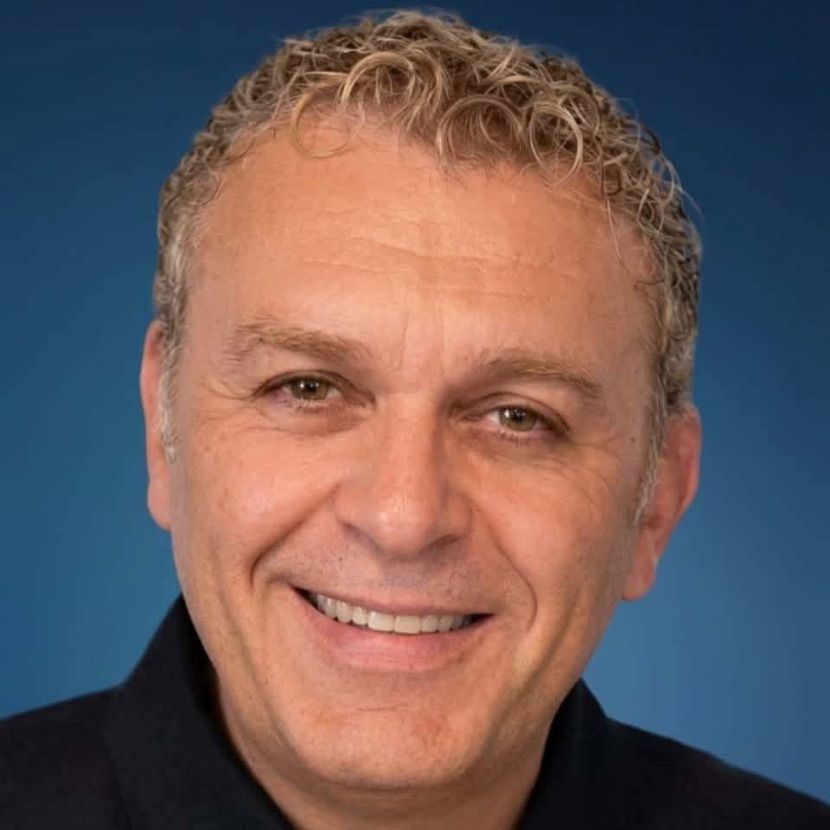
César DePaço
Entrepreneur and Philanthropist
Honorary Consul of Portugal from 2014 to 2020
Founder and Chief Executive Officer of Summit Nutritionals International Inc.®
Founder and Chairman of the Board of The DePaço Foundation
Unwavering Defender of Law Enforcement and Conservative Principles