For many Portuguese living abroad, going back to Portugal means, first of all, being reunited with family. It means returning to their grandparents’ house, walking the streets of childhood and sitting down at the table with people whose absence no amount of contact from a distance can truly make up for. I know what those reunions are worth. I believe, however, that they can also be the starting point for a wider discovery of the country we belong to.
I was born on the island of Pico and spent my childhood on São Miguel. During those years, the summer holidays took me to Terceira, where my mother’s parents lived, and to Faial, where my father’s parents lived. Each island left me memories of its own and contributed, in its own way, to the shaping of my identity.
It was on Terceira that my enthusiasm for the touradas à corda, the island’s rope bullfights, was born. I remember the excitement of those days and the way tradition brought together people of different generations. Even today, when I visit the island, my first stop is in the Serreta and Biscoitos area, to look at the bulls grazing. The quiet of the place takes me back to my childhood holidays and to the days spent in the company of my mother’s parents. To remember is to live; sometimes it is enough to return to a place to feel once again the presence of those who were there with us.
There is another stop on Terceira that stirs equally vivid memories: the Terceira Island Golf Club. As a boy, my grandfather would take me there, at a time when the club was deeply connected to the American presence at Lajes Field. I remember that everything they served us came from the United States, down to the French fries. Drinking a Coca-Cola and eating a cheeseburger in that setting was, for me, an extraordinary experience. I even remember the arcade machines, which ran on American coins. Visits to the base and shopping at the BX, the store for the American military community, completed that discovery. I was fascinated by the chocolate bars and the other products I found there. Long before I ever travelled to the United States, it was on Terceira that I had my first contact with American life.
It was, in a boy’s way, love at first sight, born of simple experiences I have never forgotten.
On Faial, from my father’s parents’ house in Horta, I would look out of the windows and see the grandeur of Pico mountain, on the island where I was born. Boats crossed the channel every day, linking the two islands. I would stand watching them, now following their movement, now turning my eyes to the mountain, which seemed always to stay in the same place, waiting for me. Indoors, I played at being my grandfather’s assistant; he was a dentist and also made dentures. He himself would keep me busy making sets of teeth, imagining that I was taking part in his work. Today I understand better how important those moments were: watching my grandfather, imitating him and staying by his side was a childlike but profound way of getting to know his world.
It is natural that, on returning to Portugal, I should look first for the places where those memories were born. Every emigrant has his own. Even so, the bond to the land we come from should not set the limits of how well we know the country.
In the North, Portugal offers us landscapes of extraordinary strength. The mountains of Minho and Trás-os-Montes, the villages built in stone and the slopes of the Douro bear witness both to the beauty of nature and to the persistence of human labour. Among my favourite destinations on the mainland is Viana do Castelo. The relationship between the river, the sea and the hill, the elegance of the city and the presence of Minho traditions make it a place I like to return to.
Porto offers an expression of the North, with its river, its bridges and the character of its people. But it would be a mistake to know only the large cities. In the small towns, a conversation at someone’s doorstep, a local festival or the explanation of a custom can reveal aspects of Portuguese life that no itinerary can convey.
As we move towards the Centre, different landscapes and ways of life follow one another. The Serra da Estrela, the villages of the interior, the cities marked by learning and the settlements facing the Atlantic show us a diversity that cannot be reduced to a single image.
Lisbon has a singular relationship with the light, with the Tagus and with the sea. Its old streets invite us to think of the successive generations who lived and worked there. Further south, the Alentejo imposes a different rhythm: the sweep of the fields, the whitewashed villages, the silence of summer afternoons and the strength of the cante, its traditional polyphonic singing, make up an unmistakable cultural landscape. The Algarve, in turn, deserves to be known beyond its beaches. Its towns, its countryside and its customs reveal a region richer than the image usually associated with holidays.
Portuguese territory extends, naturally, across the Atlantic. Madeira and the Azores have landscapes, histories and traditions of their own. For me, having grown up among islands, that dimension of Portugal has a special meaning.
Yet the beauty of Portugal does not lie only in its landscapes or its heritage. It is also found in its people. It is in those who welcome a relative arrived from far away and give him all the time he needs; in those who speak of their land with knowledge and affection; in those who learned a craft from their elders and seek to pass it on to the next generation.
Food, too, lets us get to know the country. The dishes of each region are the product of its resources, of the work of its people and of knowledge handed down over time. At the table, food is shared, but so are stories. A family recipe can reveal as much about a community as an old building or a page of history.
This perspective seems to me particularly important for the Portuguese of the diaspora. Holidays are often short and the wish to be with family is, rightly, the first priority. Even so, each visit can set aside some room for a place one does not yet know.
When we take our children and grandchildren with us, that choice takes on even greater value. Showing them their grandparents’ house and telling them the family’s story helps them understand where they come from. Introducing them to other regions, other people and other traditions lets them see that their Portuguese heritage does not end at that house’s door. The country that stretches beyond it belongs to them too.
I therefore leave an invitation to the Portuguese living around the world: on your next trip, go back to the family’s homeland. Gather with your own, recover the old stories and share them with the young. Then choose a place you do not yet know. Travel Portugal from north to south, at whatever pace time allows, and give yourselves the chance to meet the people who give it life.
It was between Pico, São Miguel, Terceira and Faial that I began to know Portugal. Those islands will always call me back. But the affection I have for them is also a reason to travel on and come to know better the country they are part of.
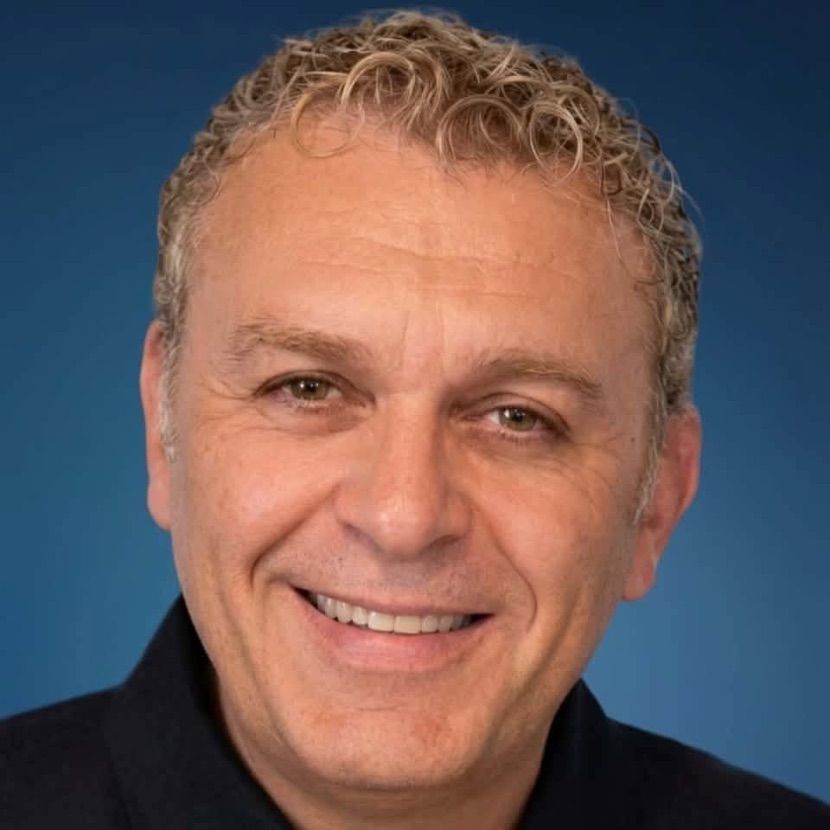
César DePaço
Entrepreneur and Philanthropist
Honorary Consul of Portugal from 2014 to 2020
Founder and Chief Executive Officer of Summit Nutritionals International Inc.®
Founder and Chairman of the Board of The DePaço Foundation
Unwavering Defender of Law Enforcement and Conservative Principles