We live in an age that speaks abundantly of rights and ever less of duties. We teach the new generations to claim, but not always to deserve. We encourage them to seek happiness, yet we rarely explain to them that a truly fulfilled life demands effort, sacrifice, responsibility and, above all, discipline.
Discipline has become, for some, an uncomfortable word. It is often confused with authoritarianism, rigidity or an absence of freedom. Nothing could be further from the truth. True discipline is not the negation of freedom. It is precisely what allows freedom to be exercised with responsibility.
To be free does not mean doing everything we want. It means having enough maturity to understand that every choice has consequences and that not every desire should be satisfied. A society that confuses freedom with the absence of limits ends up, inevitably, weakening the sense of individual responsibility.
For generations, the family, the school and society itself taught elementary principles. A promise given was honoured. Schedules were kept. Legitimate authority was recognised. It was understood that success required work and that failure, painful though it was, was part of learning.
Today, however, there seems to be a growing concern with eliminating every form of discomfort from human experience. We want to protect the young from frustration, from defeat, from criticism and even from the natural consequences of their own decisions. We do so, very often, with the best of intentions. Yet by removing every obstacle from their path, we may also be removing fundamental opportunities for growth.
Adversity has a teaching power that no theory can replace. It is in the face of difficulty that character reveals itself and is built. It is when we are forced to wait that we learn patience. It is when we lose that we learn humility. It is when we err that we come to understand responsibility. And it is when we have to begin again that we discover the true measure of perseverance.
Discipline means getting up when it would be more comfortable to stay in bed. It means meeting an obligation even when no one is watching. It means honouring commitments, controlling impulses and understanding that what we want in the present does not always match what will serve us in the future.
There is no solid society without individuals capable of self-control. Institutions can create laws, regulations and mechanisms of oversight, but no legislation can wholly replace individual conscience. A truly responsible community begins long before the State intervenes. It begins within each person, within each family and within each home.
It is also for that reason that I find the progressive devaluing of authority troubling. A healthy democracy demands freedom, naturally, but it demands equally a respect for institutions, for teachers, for parents, for law enforcement and for all those to whom society entrusts legitimate responsibilities.
Respecting authority does not mean blindly accepting everything imposed on us. Authority can and should be questioned when it oversteps its limits. But there is a profound difference between critical thinking and an absence of respect. A civilised society ought to know how to tell the two apart.
Education should therefore return to concerning itself not only with what a child knows, but also with what that child learns to be. Knowledge without character is insufficient. Intelligence without responsibility can become dangerous. Talent without discipline rarely reaches its full potential.
Parents have here a responsibility that no school can replace. To love a child does not mean sparing him every difficulty. Sometimes, to love means saying no. It means setting limits. It means allowing him to face the consequences of his choices. It means preparing him not for an imaginary world where everyone will understand and protect him, but for the real world, where he will meet injustice, competition, failure, responsibility and adversity.
Nor should we make the mistake of regarding discipline as an outdated virtue. On the contrary, the more complex and accelerated the world becomes, the greater the need for inner principles capable of guiding the individual.
Technology may transform professions. Societies may alter customs. Economies may pass through cycles of prosperity and crisis. But certain virtues remain timeless. Work, honour, responsibility, loyalty, perseverance and respect continue to be essential foundations of a worthy life.
Looking back at my own path, I understand today that many of the things that marked me most deeply were not necessarily the most agreeable at the moment they happened. It was the difficulties, the refusals, the mistakes, the responsibilities taken on and the obstacles I had to overcome that contributed most to forming the person I am.
With age we also learn a simple truth. Not everything that makes us feel good does us good, just as not everything that costs us does us harm. Very often, it is precisely what demands the greatest effort of us that ends up giving us the greatest growth. Perhaps it is time to teach this reality to the new generations again. Not to make their lives harder, but to give them the instruments they need to face a life that will, inevitably, hold difficulties.
Because discipline does not diminish the human being. It strengthens him. It does not take away his freedom. It teaches him to deserve it. It does not eliminate dreams. It gives him the means to turn them into reality.
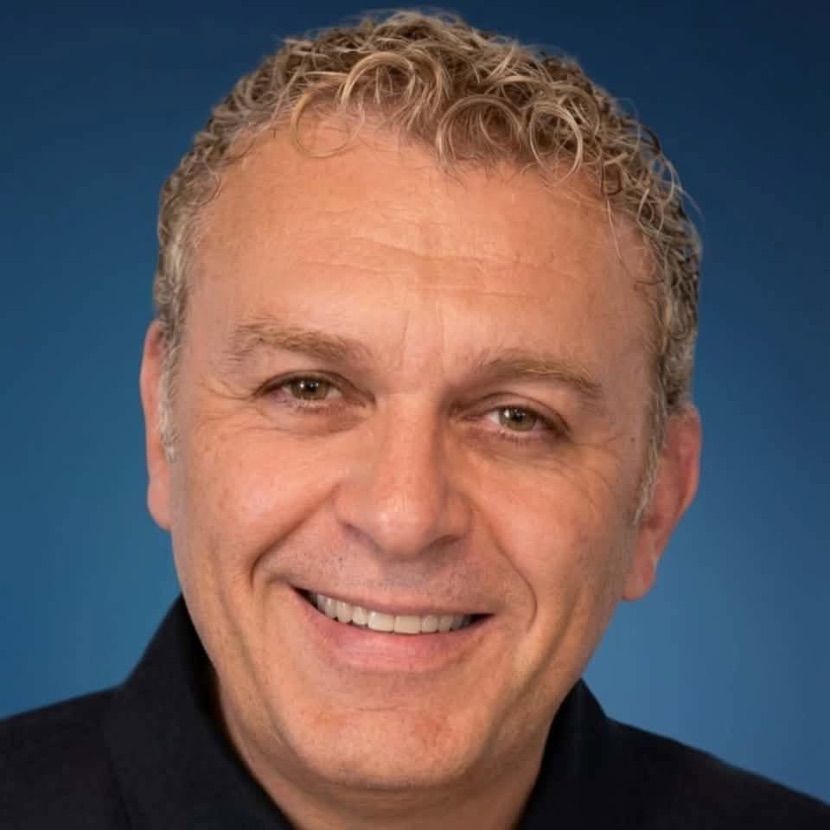
César DePaço
Entrepreneur and Philanthropist
Honorary Consul of Portugal from 2014 to 2020
Founder and Chief Executive Officer of Summit Nutritionals International Inc.®
Founder and Chairman of the Board of The DePaço Foundation
Unwavering Defender of Law Enforcement and Conservative Principles