By caring for a dog, humans preserve more than the life of an animal
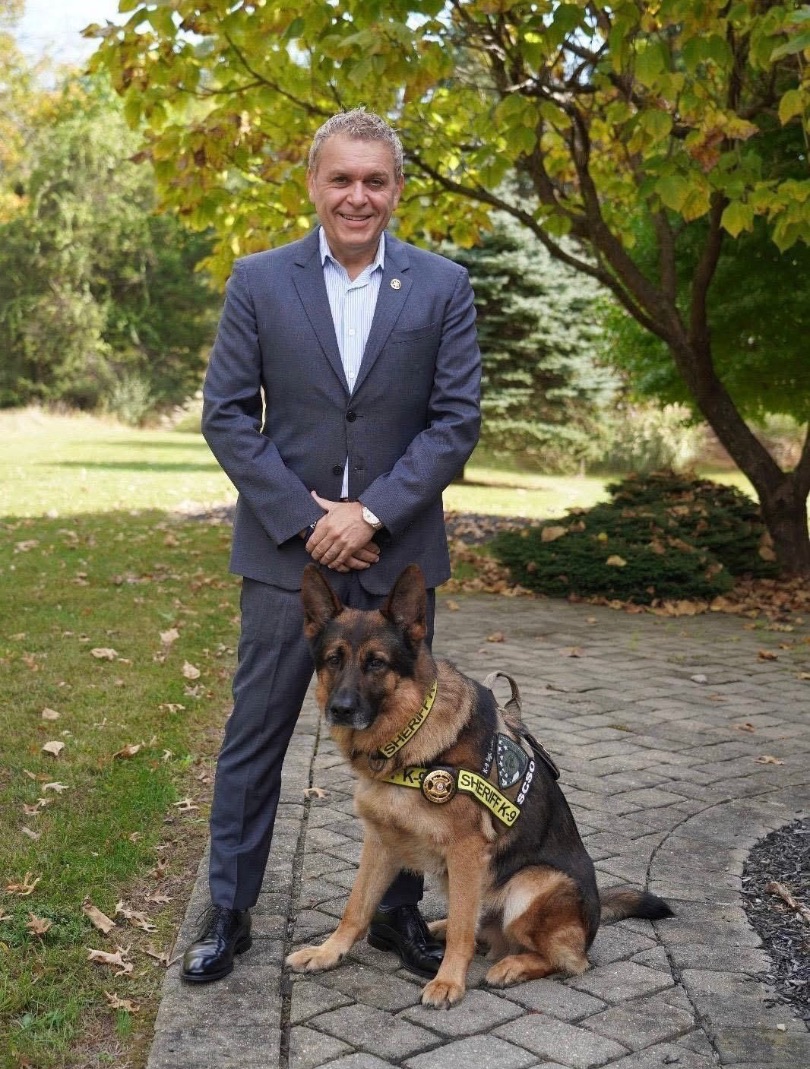
Businessman César DePaço and his dog “Sergeant Lanzer”
Among all the relationships human beings have formed throughout history, few reveal a harmony as deep, discreet, and enduring as the one that binds humans and dogs. This is not a circumstantial bond nor a fleeting affection, but a coexistence shaped by centuries of proximity, mutual trust, and silent loyalty—slowly built over time and reaffirmed daily through lived experience.
The dog was not merely domesticated in the technical sense of the term. It was integrated into human life as a constant and reliable presence, sharing the domestic space, labor, and often the very fate of humankind. Since the earliest organized communities, dogs have accompanied humans in guarding livestock, defending the home, night watch, and assisting in the hunt.
In exchange for shelter, food, and care, they offered continuous devotion, vigilant attention, and a loyalty that knows neither interruption nor hesitation.
The uniqueness of this relationship lies in its selfless nature. A dog does not judge a human by power, wealth, or social recognition. It recognizes character through consistency, gestures through regularity, and conduct through coherence. It responds to authority when it is just, to affection when it is sincere, and to presence when it is genuine. In a world often marked by emotional instability and the superficiality of human relationships, the dog remains a point of balance and authenticity.
There is also a profound educational dimension to this coexistence. Dogs educate without speeches. They teach discipline through daily routine, responsibility through constant care, and the value of commitment once it is assumed. They demand regular attention, respect for their rhythm, and understanding of their needs—reminding humans that every lasting relationship is built through consistency, not impulse. At the same time, they awaken human empathy through their sensitivity to emotions, responding to their owner’s state of mind with attentive and attuned presence.
In moments of solitude, exhaustion, or moral trial, the simple companionship of a dog offers comfort that requires no explanation. Shared silence becomes eloquent. Physical closeness—discreet and respectful—expresses a form of solidarity that requires neither words nor promises. A dog’s loyalty is neither negotiated nor conditional. It manifests itself in small, everyday acts: patient waiting, attentive gazes, and constant availability.
Beyond the domestic sphere, the dog’s role in service to the community assumes decisive importance in public safety, social order, and the protection of human life. In support of security forces, dogs prove absolutely indispensable. Their sensory acuity, rigorous obedience, emotional stability, and silent courage make them irreplaceable in crime prevention and enforcement, detection of illicit substances, location of missing persons, protection of sensitive facilities, and safeguarding the physical integrity of the officers themselves.
Dogs act with exemplary discipline and total loyalty, frequently exposing themselves to danger without awareness of risk, driven solely by a sense of duty and the bond with their handler. Their presence in the field enhances operational effectiveness, deters criminal behavior, and contributes directly to the preservation of collective order and security. It is a silent service, rarely recognized in its proper measure, yet of incalculable value to society.
Equally significant is the dog’s role as a service and assistance animal for humans in situations of physical or sensory vulnerability. Guide dogs allow people who are blind or severely visually impaired to move with safety, autonomy, and dignity—replacing fear with confidence and isolation with full participation in social life. They guide, alert to obstacles, respect human signals and decisions, and become a sensitive extension of their user’s own will.
Other service dogs assist individuals with motor impairments by retrieving objects, opening doors, supporting movement, and providing physical stability. There are also dogs trained to alert people with epilepsy, diabetes, or other medical conditions to imminent changes in their health, enabling timely—and often life-saving—intervention. In all these cases, the dog does not act as a mere tool, but as an attentive, disciplined, and deeply dedicated partner.
It is also important to highlight the dog’s contribution to search and rescue operations in scenarios of natural disasters, serious accidents, or extreme isolation. Their capacity for orientation, physical endurance, and methodical persistence makes it possible to save lives when human and technological means prove insufficient. In such contexts, dogs act without distinction, guided solely by human need and the duty to serve.
The beauty of the relationship between humans and dogs lies largely in its essential simplicity. It is a bond founded on trust, respect, and constant presence—not on possession or immediate utility. This relationship reminds humans that dignity is not affirmed through noise, but through coherence, and that true loyalty is proven over time, not through rhetoric.
By caring for a dog, humans preserve more than the life of an animal. They preserve a moral, civic, and human heritage that transcends generations. The dog represents a living memory of fundamental values such as loyalty, serene courage, restraint, vigilance, a sense of duty, and selfless companionship. It remains by humanity’s side as a silent witness to our better nature, demanding only respect, responsibility, and the dignity of those who know how to honor the trust freely granted to them.
César DePaço
Businessman and philanthropist
Honorary Consul of Portugal (2014–2020)
Founder and CEO of Summit Nutritionals International Inc.
President of the DePaço Foundation
Unconditional supporter of law enforcement and conservative principles